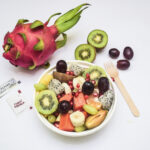
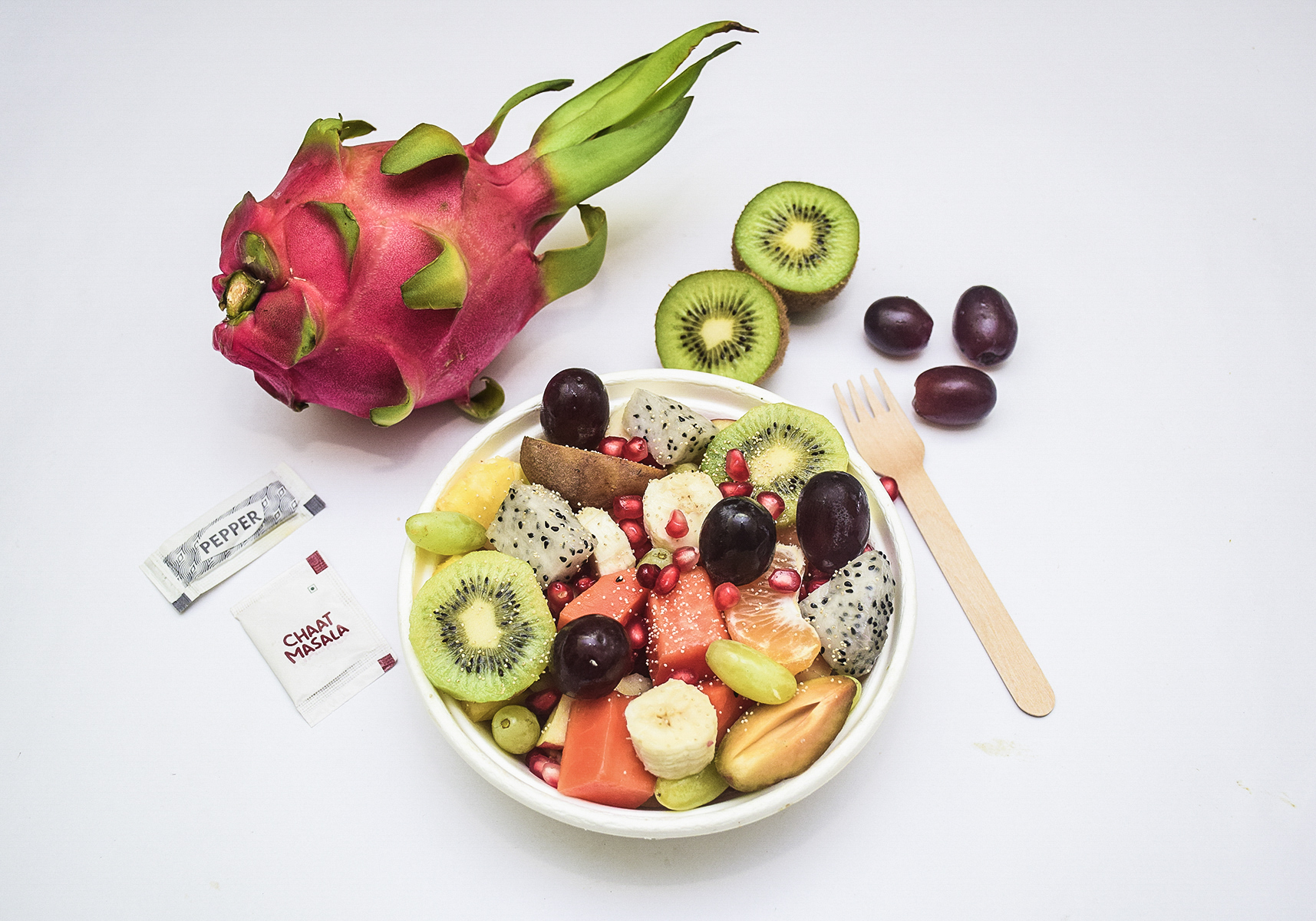

Thinking about grabbing a fruit salad? Maybe you’re wondering how many calories are in that colorful mix. It’s a pretty common question, especially if you’re trying to keep track of what you eat. Whether it’s from a can or made fresh, the calorie count can change. We’ll break down what goes into a fruit salad and how it fits into your day, with a little nod to the popular options you might find in places like Indore.
Key Takeaways
-
- Canned fruit salad, especially in heavy syrup, tends to have more calories than fresh fruit salad.
-
- The amount of sugar and syrup added significantly impacts the total calorie count of fruit salad.
-
- A standard cup of fruit salad can range from around 90 to over 180 calories, depending on preparation.
-
- Fresh fruit salad offers more control over ingredients, allowing for lower calorie and sugar options.
-
- When looking for fruit salad options, especially in places like Fruits Salad Indore, consider the ingredients and preparation method to make a healthier choice.
Understanding Fruit Salad Calories
So, you’re curious about how many calories are actually in that colorful bowl of fruit salad? It’s a pretty common question, especially if you’re trying to keep an eye on what you eat. The truth is, there isn’t one single answer because fruit salad can be made in so many different ways.
Calorie Content of Canned Fruit Salad
Canned fruit salad is convenient, no doubt about it. But the way it’s packed makes a big difference. You’ll often find it in heavy syrup, light syrup, or juice. The syrup versions, especially the heavy syrup, add a significant amount of sugar and, consequently, calories. A cup of canned fruit salad in heavy syrup can pack around 186 calories, with a whopping 97% of those coming from carbs, mostly sugar. Even juice-packed options add extra calories compared to just fresh fruit. It’s always good to check the label for the packing liquid.
Fresh Fruit Salad Calorie Estimates
When you make fruit salad from scratch with fresh fruit, you have a lot more control. Generally, fresh fruit salad is lower in calories because you’re skipping the added sugars and syrups. A cup of fresh fruit salad, without any dressing, might hover around 93 calories. This version is mostly carbohydrates from the natural sugars in the fruit, with very little fat and protein. It’s a lighter, more natural option.
Factors Influencing Fruit Salad Calories
What goes into your fruit salad really dictates its calorie count. Think about it:
-
- The Fruits Themselves: Some fruits are naturally higher in sugar and calories than others. For example, bananas and mangoes tend to have more calories than berries or melons.
-
- Added Sweeteners: Are you adding honey, sugar, or a sweetened syrup? This is a major calorie booster.
-
- Portion Size: How much are you actually eating? A small bowl is very different from a large one.
-
- Added Ingredients: Sometimes people add things like yogurt, granola, or even a creamy dressing, which all contribute to the total calories. A serving of Mixed Fruit Salad, for instance, contains about 141 kcal, with pineapple being a key ingredient.
It’s easy to think of fruit salad as a universally ‘healthy’ food, but the preparation method and ingredients can drastically change its nutritional profile. Always consider what’s in the mix.
Calorie Breakdown By Serving Size
Calories Per Cup of Fruit Salad
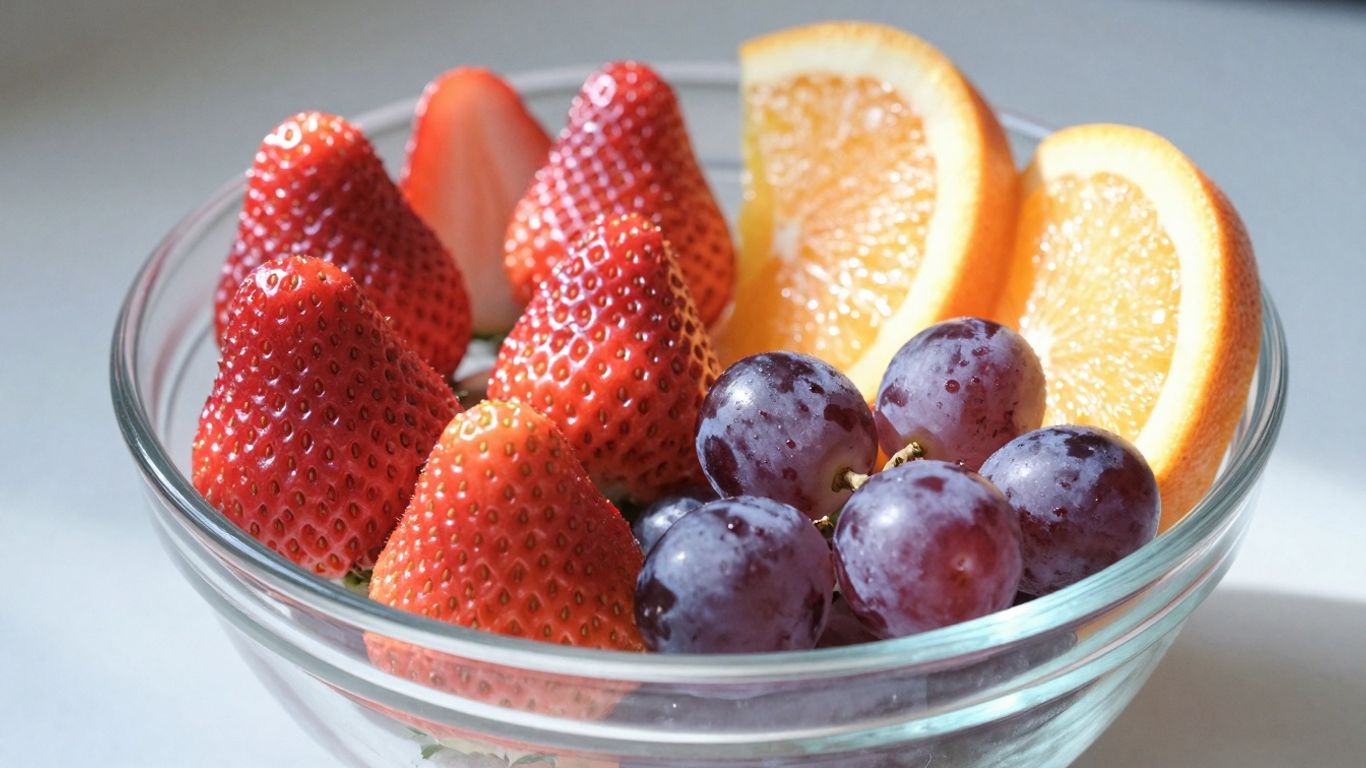
When you’re eyeing that colorful bowl of fruit salad, knowing the calorie count for a standard serving is super helpful. A typical cup of mixed fruit salad, especially one made with fresh fruits and no added heavy syrups or dressings, usually hovers around 93 to 108 calories. This can jump up quite a bit if it’s canned fruit in heavy syrup, sometimes reaching over 180 calories per cup. It really depends on what’s in the mix and how it’s prepared.
Calories Per 100 Grams of Fruit Salad
For those who prefer to measure by weight, understanding the calories per 100 grams gives you another way to track your intake. Fresh fruit salad generally falls in the range of about 57 to 93 calories per 100 grams. This metric is great for comparing different types of fruit salads or even other foods. Remember, the density of the fruits themselves and any added liquids or sweeteners will affect this number.
Serving Size Variations for Fruit Salad
It’s easy to underestimate how much you’re actually eating, so let’s break down some common serving sizes and their approximate calorie impacts. These are just general estimates, and your specific fruit salad might vary.
-
- 1 cup (approx. 175g): Around 93-108 calories (fresh, no dressing).
-
- 100 grams (approx. 3.5 oz): Around 57-93 calories (fresh, no dressing).
-
- 1 tablespoon (approx. 15g): This is a small amount, usually around 8-12 calories. Good for a tiny taste!
-
- Canned fruit salad in heavy syrup (1 cup): Can be as high as 186 calories or more.
The type of fruit, whether it’s fresh or canned, and what it’s packed in (water, juice, or syrup) are the biggest players in the final calorie count. Even a seemingly small addition like a creamy dressing can significantly increase the calories.
Here’s a quick look at how different preparations can stack up:
| Preparation Type | Approx. Calories per Cup |
|---|---|
| Fresh Fruit Salad (no dressing) | 93 – 108 |
| Canned (Water Pack) | 100 – 120 |
| Canned (Juice Pack) | 120 – 150 |
| Canned (Light Syrup) | 150 – 170 |
| Canned (Heavy Syrup) | 180+ |
Macronutrient Profile of Fruit Salad
When you’re digging into a bowl of fruit salad, it’s good to know what you’re actually eating, beyond just the calories. Fruit salad is pretty straightforward when it comes to its main components. It’s mostly about carbs, with very little fat and protein.
Carbohydrate Dominance in Fruit Salad
Carbohydrates are the star of the show in any fruit salad. This comes from the natural sugars found in the fruits themselves, like fructose. Think of it as the energy source. For a typical cup of fruit salad, carbs can make up around 80-90% of the total calories. This is why fruit salad is often seen as a quick energy boost. It’s important to remember that these are mostly natural sugars, which come packaged with fiber and other good stuff from the fruit, unlike the refined sugars you might find elsewhere. A serving of classic fruit salad has about 133 calories, with the vast majority coming from carbs [78bd].
Fat and Protein Content
As for fat and protein, fruit salad is generally quite low in both. Most fruits have negligible amounts of fat. You might find a tiny bit if, for example, avocado is added, but typically, it’s not a significant factor. Protein content is also minimal. While some fruits have a bit more protein than others, it’s usually not enough to make a big difference in the overall nutritional profile. So, if you’re looking for a protein punch, fruit salad isn’t the place to find it.
Sugar Levels in Fruit Salad
Sugar is a big part of the carbohydrate count in fruit salad. The type of fruit used, and whether any added sweeteners like syrup or juice are included, really changes the sugar content. A plain, fresh fruit salad will have natural sugars from the fruits. However, canned versions, especially those packed in heavy syrup, can have a lot more added sugar. For instance, one cup of fruit salad packed in heavy syrup can contain around 46 grams of sugar, whereas a fresh version might have closer to 18 grams. It’s always a good idea to check the labels or be mindful of what goes into your homemade mix if you’re watching your sugar intake.
Here’s a general idea of what you might find in a cup of fruit salad:
-
- Carbohydrates: Typically 40-50 grams, with a large portion being natural sugars.
-
- Fat: Usually less than 1 gram.
-
- Protein: Around 1-2 grams.
-
- Fiber: Varies, but generally a good source, often 3-5 grams.
While fruit salad is a good source of natural sugars and carbohydrates for energy, the amount of sugar can vary wildly depending on preparation. Opting for fresh fruit or fruit packed in its own juice is usually the best bet for keeping sugar levels in check.
Nutritional Impact of Fruit Salad Preparations
Impact of Syrup on Fruit Salad Calories
When you’re looking at fruit salad, especially the kind you buy in a can, the liquid it sits in makes a big difference. If it’s packed in heavy syrup, you’re adding a lot of extra sugar and, consequently, calories. A fruit salad in heavy syrup can jump up to around 186 calories per cup, with a whopping 97% of those calories coming from carbs, mostly sugar. Compare that to one packed in water or just its own juice, and you’re looking at a much lighter option. The choice of packing liquid is a major factor in the final calorie count.
Juice Pack vs. Water Pack Fruit Salad
So, what’s the deal between juice pack and water pack? Fruit salad in a juice pack is usually a bit sweeter than water pack because, well, it’s juice. It still adds some calories and sugar, but it’s generally a better choice than syrup. Water pack fruit salad is the leanest option, with minimal added calories. If you’re watching your sugar intake or trying to keep calories low, water pack is definitely the way to go. It lets the natural fruit flavors shine through without the added sweetness.
Homemade Fruit Salad Nutritional Control
Making your own fruit salad gives you total control over what goes in. You can pick the freshest fruits, skip the added sugars, and decide exactly how much dressing or sauce to use. For instance, a homemade version might use a simple dressing made from fresh orange and lemon juice, maybe with a tiny bit of honey or maple syrup if you want a touch of sweetness, and some zest for flavor. This way, you can keep the calories and sugar in check while still enjoying a delicious and vibrant dish. It’s all about knowing your ingredients and making smart choices.
Making fruit salad at home is the best way to manage its nutritional profile. You get to choose the fruits, control the sweetness, and decide on any added liquids or dressings. This hands-on approach means you can tailor the salad to be as healthy as you want it to be, focusing on natural flavors and beneficial nutrients without hidden sugars or excessive calories.
Exploring Fruit Salad Options in Indore
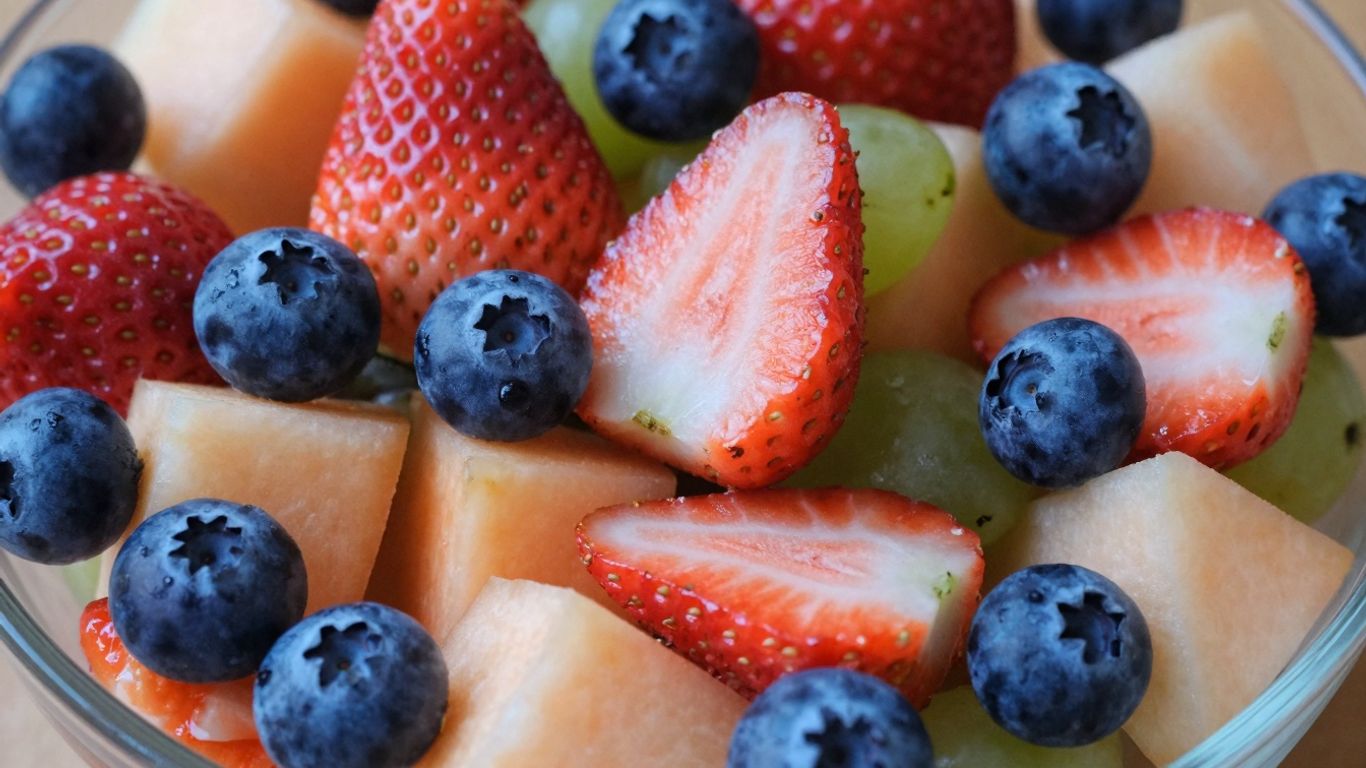
When you’re in Indore and craving something sweet and refreshing, fruit salad is a fantastic choice. But what exactly are you getting when you order it locally? It really depends on where you go and what you choose.
Popular Fruit Combinations in Indore
Indore’s fruit salad scene often features a mix of seasonal and readily available fruits. You’ll commonly find combinations that include:
-
- Mangoes: Especially when in season, these add a tropical sweetness.
-
- Bananas: A staple for creaminess and energy.
-
- Apples and Pears: Providing a satisfying crunch.
-
- Grapes: For bursts of juicy sweetness.
-
- Papaya and Pineapple: Bringing a tropical flair.
Sometimes, you might even find more exotic additions depending on the vendor. It’s always a good idea to ask what’s fresh that day. Many places offer a basic fruit mix, but some specialize in more elaborate preparations. You can even find services that deliver fresh fruit salads right to your door, offering options like a Premium fruit salad.
Finding Healthy Fruit Salad Options
Not all fruit salads are created equal, especially when it comes to health. The biggest culprits for added calories and sugar are often the dressings or syrups. Many local vendors might add a simple sugar syrup or condensed milk to their mixes. If you’re looking for a healthier version, keep an eye out for places that offer:
-
- Freshly cut fruit with no added sugar or syrup.
-
- Salads where the natural fruit juices are the primary “dressing.”
-
- Options that let you customize your mix, allowing you to skip sugary additions.
Be mindful of what goes into your fruit salad. While fruit itself is healthy, added sugars can quickly turn a nutritious snack into a dessert.
Local Favorites for Fruits Salad Indore
In Indore, you’ll find fruit salads served in various settings, from street-side stalls to more established eateries. Some popular local spots might have their own signature blends. For instance, a common preparation might be a simple mix of local fruits, perhaps with a light squeeze of lime or lemon to keep it fresh and add a little zing. Others might offer a richer, dessert-like version. If you’re looking for a straightforward, healthy option, asking for a “plain” or “no-sugar” fruit salad is usually your best bet. It’s all about knowing what to ask for and where to look.
Making Healthier Fruit Salad Choices
So, you’ve been eyeing that fruit salad, wondering how to make it a bit kinder to your waistline and your overall health? It’s totally doable. Fruit salad is naturally pretty good for you, packed with vitamins and fiber, but sometimes, the way it’s prepared can add a few extra surprises. Let’s talk about how to tweak it.
Reducing Sugar in Fruit Salad
This is probably the biggest culprit when it comes to making fruit salad less healthy. Sometimes, recipes call for added sugar, honey, or syrupy fruit juices. If you’re making it yourself, skip the added sweeteners altogether. The natural sweetness of the fruits is usually more than enough. If you absolutely feel it needs a little something extra, try a tiny bit of honey or maple syrup, or even better, a squeeze of fresh lemon or lime juice to brighten the flavors. For canned fruit, always opt for the ‘water pack’ or ‘juice pack’ versions instead of those swimming in heavy syrup. It makes a huge difference.
Maximizing Nutrient Density
To really get the most bang for your buck nutritionally, focus on a wide variety of colorful fruits. Different colors often mean different vitamins and antioxidants. Think deep reds from berries, bright oranges from mangoes or peaches, and vibrant greens from kiwi or grapes. Don’t shy away from fruits that might be a bit more tart; they often pack a bigger vitamin C punch. Also, consider adding a sprinkle of seeds like chia or flax for some extra fiber and omega-3s, or a few nuts for healthy fats and protein. It turns a simple side dish into a more complete snack.
Portion Control for Fruit Salad
Even healthy foods can be overdone, right? Fruit salad is no exception. While it’s full of good stuff, it does contain natural sugars. Being mindful of how much you’re eating is key. A standard serving is often around one cup. If you’re having it as a snack, stick to that. If it’s part of a larger meal, maybe a half-cup is plenty. It’s easy to just keep going back for more, especially when it tastes so good, but a little self-awareness goes a long way.
Here are some quick tips:
-
- Choose fresh or frozen fruits over canned whenever possible.
-
- Avoid creamy dressings or added sugars. Stick to natural fruit juices or a light citrus dressing.
-
- Mix in some greens like spinach or kale for an extra nutrient boost.
-
- Be mindful of high-sugar fruits if you’re watching your intake, like mangoes or grapes, and balance them with lower-sugar options.
Making smarter choices with your fruit salad doesn’t mean sacrificing flavor. It’s about being a little more aware of what’s going into it and how much you’re enjoying. Small changes can lead to a much healthier and more satisfying treat.
So, What’s the Calorie Count?
Alright, so we’ve looked at fruit salad and calories. It’s pretty clear that the number can change a lot depending on what’s in it and how it’s prepared. A simple mix of fresh fruit with no added sugar is going to be way lighter than a canned version swimming in syrup. Generally, a cup of fruit salad can range from around 90 calories for a fresh, no-dressing mix to over 180 calories if it’s packed in heavy syrup. It’s not a super high-calorie food, but if you’re watching your intake, it’s good to know what you’re grabbing. Fresh is usually the way to go if you want to keep it light and healthy.