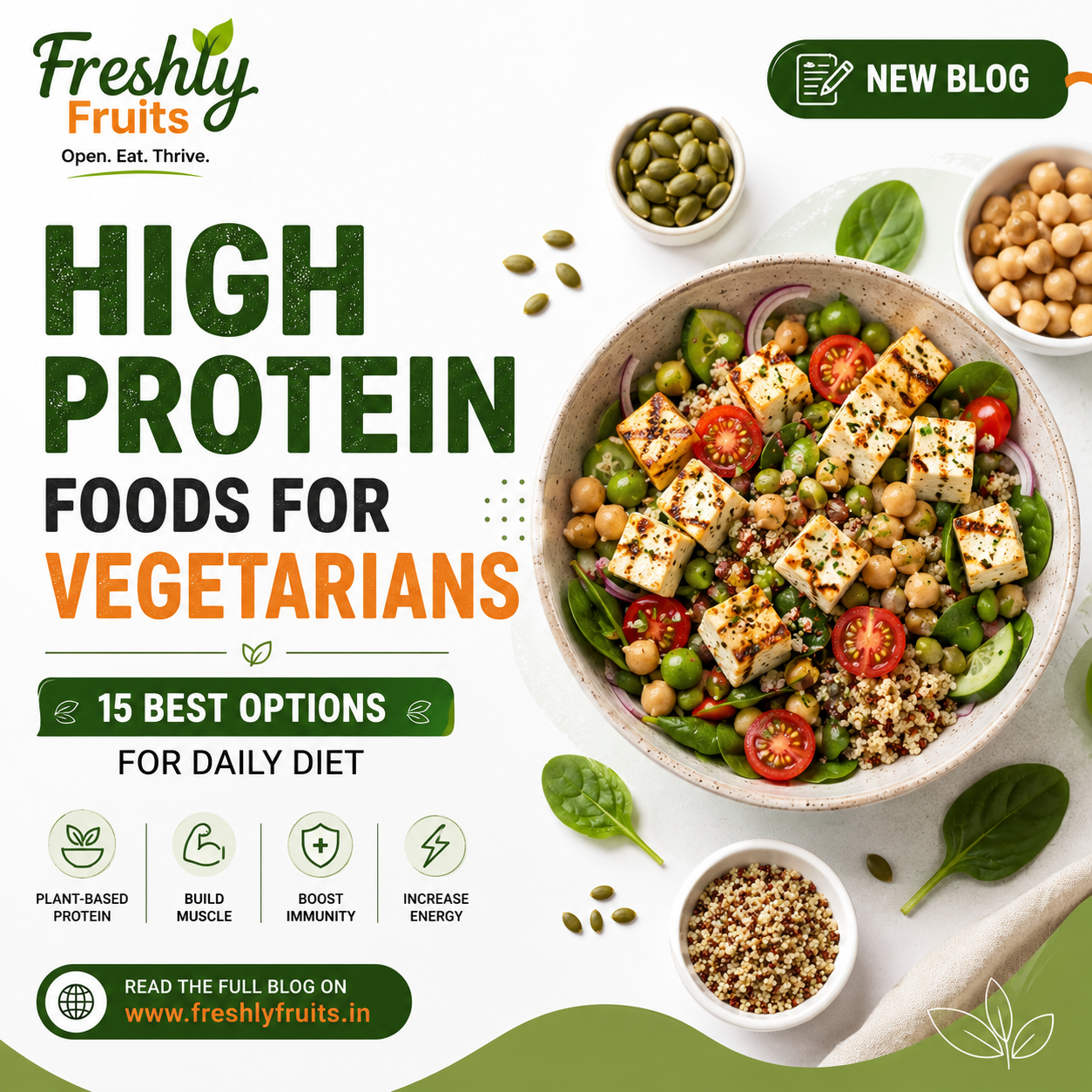

Vegetarian food doesn’t have enough protein. How many times have you heard that one? The truth is, if you choose the right high-protein foods for vegetarians, you can hit your daily protein target just as easily as someone eating meat, sometimes even more easily. Whether you hit the gym, are trying to manage your weight, or just want better energy and muscle health, this guide will show you exactly which protein-rich foods for vegetarians to add to your plate, how much protein you actually need, and how to get fresh, ready-to-eat high-protein meals delivered right here in Indore. Let’s get into it!
1. Why Is Protein Important for Vegetarians?
Protein isn’t just for bodybuilders. It repairs your muscles, keeps your immune system strong, keeps your skin and hair healthy, and even helps control hunger through the day. But here’s the catch: a lot of Indian vegetarian diets lean heavily on rice, roti, and potatoes, which are carb-heavy and low in protein. Over time, that gap can leave you feeling tired, losing muscle tone, or constantly hungry between meals.
The good news? You don’t need to eat meat or eggs to fix this. There are plenty of protein-rich foods for vegetarians available right in your own kitchen. You just need to know which ones actually move the needle, and how to combine them the right way.
2. What Are the 15 Best High-Protein Foods for Vegetarians?
Here’s your complete list of high-protein vegetarian foods, along with roughly how much protein each one gives you. Use this as your go-to reference when planning meals.
- 1. Paneer (Cottage Cheese): around 18g protein per 100g. One of the richest and most versatile vegetarian protein sources in Indian cooking.
- 2. Sprouts (Moong & Chana): around 7–9g protein per 100g, plus fibre and digestive enzymes.
- 3. Lentils (Dal): around 9g protein per 100g cooked. A daily staple that’s easy on the pocket too.
- 4. Chickpeas (Chana): around 19g protein per 100g cooked, plus iron and fibre.
- 5. Rajma (Kidney Beans): around 8–9g protein per 100g cooked, great in curries and salads.
- 6. Soybean / Soy Chunks: one of the highest plant protein sources, roughly 17g per 100g cooked.
- 7. Curd & Greek Yogurt: regular curd gives 3–4g per 100g, while Greek yogurt can go up to 10g per 100g.
- 8. Quinoa: around 4g protein per 100g cooked, and a rare plant source of complete protein.
- 9. Peanuts: around 25g protein per 100g, budget-friendly and easy to snack on.
- 10. Almonds: around 21g protein per 100g, plus healthy fats for skin and heart.
- 11. Makhana (Fox Nuts): around 9–10g protein per 100g roasted, and naturally low in fat.
- 12. Tofu: around 8g protein per 100g, a great meat substitute in stir-fries and salads.
- 13. Milk: around 3.4g protein per 100ml, an easy daily protein top-up.
- 14. Chia Seeds: around 17g protein per 100g, easy to sprinkle over salads or smoothies.
- 15. Oats: around 13g protein per 100g dry, a solid protein-rich start to your day.
3. How Much Protein Do You Actually Need Every Day?
This is where most people get confused. As a simple rule of thumb, most adults need around 0.8g to 1g of protein per kg of body weight per day. So if you weigh 60kg, that’s roughly 48–60g of protein daily. If you’re exercising regularly, strength training, or trying to build muscle, this can go up to 1.2–1.6g per kg.
- Sedentary adult: ~0.8 g per kg body weight
- Moderately active adult: ~1–1.2g per kg body weight
- Regular gym-goer/athlete: ~1.2–1.6g per kg body weight
A simple way to check if you’re on track: aim to include a protein source in every single meal, breakfast, lunch, dinner, and at least one snack. That alone solves most protein gaps in a typical Indian vegetarian diet.
4. What Are Some Easy Indian Meal Ideas to Add More Protein?
Knowing your daily protein requirement is a great idea, but the real question is how you apply the food list in the previous section to your day-to-day meals. Here are some simple, realistic combinations:
- Breakfast: Moong sprouts chilla or a bowl of oats with milk and chia seeds.
- Mid-morning snack: A handful of roasted peanuts or almonds with a glass of buttermilk.
- Lunch: Dal-roti with a side of paneer bhurji or a chana salad.
- Evening snack: A protein-rich salad with sprouts, paneer, or roasted makhana instead of fried snacks.
- Dinner: Rajma or soya chunk curry with a small bowl of curd on the side.
Notice the pattern? A grain (roti, rice, oats) paired with a legume or dairy source (dal, paneer, curd) gives you a much more complete amino acid profile than either eaten alone. This is one of the oldest, and smartest, tricks in Indian vegetarian cooking.
5. Where Can You Get Fresh High-Protein Meals in Indore?
Planning protein-rich meals is one thing. Prepping sprouts, boiling chana, and cutting paneer every day is another. If you’re looking for high-protein food in Indore without the daily kitchen work, Freshly Fruits has you covered.
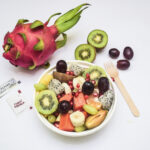
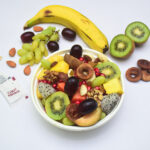
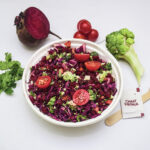
- Freshly Fruits’ Paneer-Based Protein Salad combines fresh paneer with veggies for a light, high-protein meal that’s ready when you are.
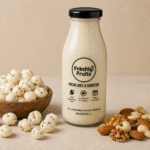
- The High Protein Makhana Bowl is a great low-fat, high-protein snack option, perfect for evenings when you’d normally reach for something fried.
- Craving something tangy? The Peanut Chaat Salad packs peanut protein into a snack that actually tastes indulgent.
- Prefer sprouts? The Protein Sprout Salad is still one of the easiest ways to get your daily dose without any prep.
Whether you need high-protein meals in Indore for a busy work week or you’re just tired of soaking and boiling sprouts every morning, Freshly Fruits healthy food delivery in Indore takes that effort off your plate, literally.
6. What Mistakes Should Vegetarians Avoid When Trying to Increase Protein Intake?
A few common slip-ups can quietly undo all your efforts:
- Relying only on rice and roti: these are mostly carbs, not protein. Always pair them with a protein source.
- Skipping breakfast protein: starting the day with only tea and biscuits sets you up for hunger crashes later.
- Overcooking sprouts and legumes: excess heat can reduce some nutrient value, so steam or lightly cook where possible.
- Choosing fried snacks over whole foods: a samosa has far less protein (and far more oil) than a bowl of sprouts or makhana.
- Not tracking intake at all: even a rough mental check of “did I have protein in this meal?” makes a big difference over time.
Wrapping It Up: Protein Doesn’t Have to Be Complicated
There you have it, 15 high-protein foods for vegetarians that can easily become part of your daily Indian diet. From paneer and sprouts to chana, soy, and makhana, you have more protein-rich options than you probably realised.
And if you’d rather skip the daily soaking, boiling, and chopping, Freshly Fruits’ high-protein meals and healthy food delivery in Indore make it effortless to stay consistent, one fresh, ready-to-eat bowl at a time.
Start adding one extra protein source to your plate today. Your body will feel the difference sooner than you think!
Frequently Asked Questions For High Protein Foods for Vegetarians
What are the best high protein foods for vegetarians?
Paneer, sprouts, lentils, chickpeas, soybeans, curd, nuts, and seeds are among the best protein-rich foods for vegetarians. Combining grains with legumes, like dal with rice or roti with chana, gives you an even more complete protein profile.
How much protein does a vegetarian need daily?
Most adults need around 0.8g to 1g of protein per kg of body weight daily, going up to 1.2–1.6g per kg if you exercise regularly or strength train. Including a protein source in every meal is the simplest way to hit this target.
Is paneer or sprouts better for protein?
Both are excellent. Paneer offers around 18g of protein per 100g and is great in cooked dishes, while sprouts add roughly 7–9g per 100g along with fibre and digestive enzymes. Freshly Fruits’ Paneer-Based Protein Salad and Protein Sprout Salad let you enjoy both without any prep.
Can vegetarians build muscle without eggs or meat?
Absolutely. With enough daily protein from sources like paneer, soy, lentils, and dairy, combined with regular strength training, vegetarians can build and maintain muscle just as effectively as non-vegetarians.
Where can I get high protein food delivered in Indore?
Freshly Fruits offers high protein meals in Indore, including a Paneer-Based Protein Salad, High Protein Makhana Bowl, Peanut Chaat Salad, and Protein Sprout Salad, all freshly prepared and delivered, with no soaking, boiling, or chopping required.
What is a quick high-protein snack for vegetarians?
Roasted makhana, a handful of peanuts or almonds, a bowl of sprouts, or a cup of curd are all quick, no-cook, high-protein snack options that take less than five minutes to put together.