
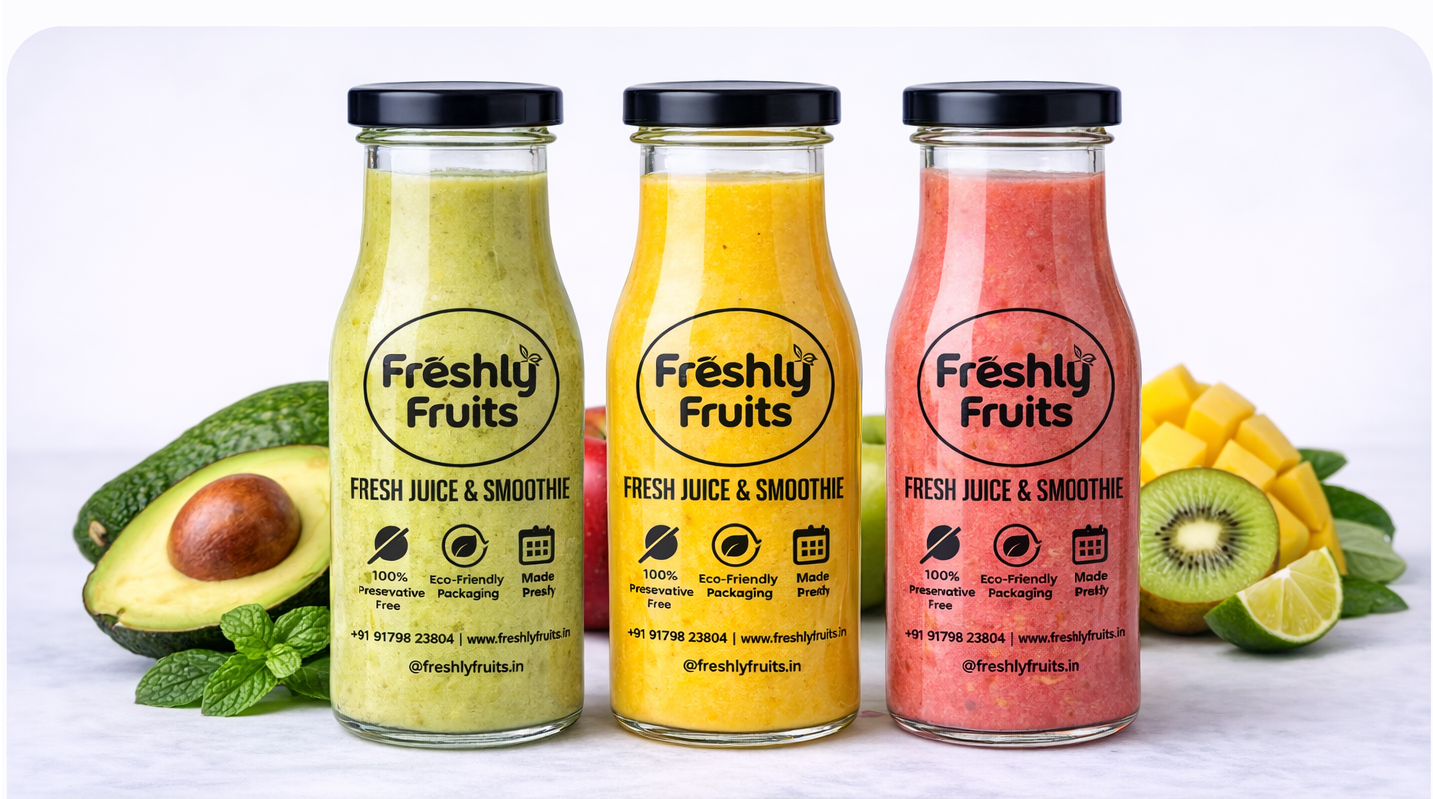
So, you’re wondering about juice. Like, is that store-bought stuff really the same as what you’d make at home? Or maybe you’ve seen ‘cold-pressed’ on a label and thought, ‘What’s the big deal?’ It turns out, there’s a pretty big difference in how juice is made, and it really affects what you get out of it. We’re going to break down the whole juice thing, from how it’s made to why one might be better for you than the other. Plus, we’ll touch on things like taste and how it all fits into your day, even mentioning how Fresh Fruits Smoothies fit into the picture.
Key Takeaways
- Regular juice often uses fast-spinning blades that create heat, which can zap nutrients and enzymes. Cold-pressed juice uses pressure, keeping more of the good stuff intact.
- Because cold pressing avoids heat, it tends to preserve more vitamins, minerals, and enzymes, making it more nutrient-dense.
- Cold-pressed juices usually taste fresher and more vibrant. The lack of heat means the natural flavors of the fruits and veggies shine through better.
- Cold-pressed juice is generally easier on your stomach and can offer more antioxidant power compared to regular juice.
- While cold-pressed juice often has a longer shelf life and no added ingredients, fresh-squeezed juice is best enjoyed right away for its bright, immediate flavor. Fresh Fruit Smoothies can also be a great way to get nutrients quickly.
Understanding The Juicing Process
So, you’re curious about how juice gets made, right? It’s not all the same, and knowing the difference can really change what you get out of that glass. Let’s break down the two main ways juice comes to be: the regular way and the cold-pressed way.
How Regular Juice Is Made
Most of the juice you find in the grocery store is made using what’s called a centrifugal juicer. Think of it like a super-fast blender. It has blades that spin incredibly quickly, basically pulverizing the fruits and vegetables. This high speed separates the juice from the pulp. It’s a pretty quick process, which is why it’s common for mass-produced juices. However, all that speed creates friction, and friction means heat. This heat can mess with the natural goodness of the produce.
The Cold Press Extraction Method
Cold-pressed juice takes a different approach. Instead of high-speed blades, it uses a two-step process. First, the produce is ground up, and then it’s put into a hydraulic press. This press slowly and steadily squeezes out the juice. Because there’s very little heat generated – hence, cold pressed – it’s thought to keep more of the vitamins, minerals, and enzymes intact. It’s a gentler method, aiming to preserve the raw quality of the ingredients.
Comparing Juicing Techniques
When you put them side-by-side, the differences are pretty clear. Regular juicing is fast and efficient, but the heat it produces can degrade nutrients and alter the taste. It often leads to juices that might need added sugars or flavors to taste good. Cold pressing, on the other hand, is slower and more labor-intensive, but the lack of heat is its big selling point. It aims for maximum nutrient retention and a purer flavor profile.
Here’s a quick look:
- Centrifugal Juicing: High speed, generates heat, faster, can degrade nutrients.
- Cold Pressing: Slow grinding and pressing, minimal heat, preserves nutrients, gentler on produce.
The way juice is extracted really matters. While centrifugal juicers are quick and common, the heat they create can strip away some of the good stuff that makes fresh produce so beneficial. Cold pressing, though slower, is designed to keep that goodness locked in.
Nutritional Superiority Of Cold Pressed
Preserving Vital Vitamins And Minerals
When you think about juice, you’re probably imagining all those good-for-you vitamins and minerals packed into every sip. With cold-pressed juice, you get a lot more of that goodness compared to juice made the regular way. The whole process for cold-pressed juice is pretty gentle. It involves crushing and then pressing the fruits and veggies slowly, which means way less heat is generated. Heat can really mess with the delicate nutrients, like Vitamin C and certain B vitamins, basically zapping them away. Because cold pressing avoids this heat, more of those vital vitamins and minerals actually make it into your glass. It’s like keeping the ingredients in their prime condition.
Maximizing Enzyme Activity
Enzymes are these tiny helpers in our food that can make digestion a bit easier. Regular juicing methods, especially those that use high speeds or generate heat, can damage or destroy these enzymes. Think of it like cooking an enzyme-rich food – the heat changes its structure. Cold pressing, by staying cool, does a much better job of keeping these natural enzymes intact. This means your body might find it easier to process and absorb the nutrients from cold-pressed juice. It’s all about keeping things as close to their natural, active state as possible.
Higher Nutrient Retention
So, putting it all together, the lack of heat and minimal exposure to air during the cold-press process means you’re getting a juice that holds onto its nutritional punch for longer. While some studies show minimal differences right after juicing, the real story often unfolds over time. Regular juices can start losing their nutritional value pretty quickly, especially if they’re exposed to light and air. Cold-pressed juices, when stored properly, tend to keep their nutrient levels more stable. This means that juice you drink a day or two after it’s made might still be packed with goodness, whereas regular juice might have already seen better days nutritionally.
Here’s a quick look at what you might find:
- Vitamins: More Vitamin C, B vitamins, and other water-soluble vitamins.
- Minerals: Better retention of minerals like potassium and magnesium.
- Enzymes: Natural enzymes that aid digestion are more likely to survive.
- Antioxidants: Compounds that fight cell damage are often preserved better.
The gentle, slow method of cold pressing means that the juice is less likely to be oxidized or degraded by heat. This preservation is key to why many people feel cold-pressed juices are a more potent source of nutrition compared to their conventionally juiced counterparts.
Flavor And Quality Differences
When you’re comparing juices, taste and how good it looks are pretty big deals, right? It’s not just about what’s inside, but how it makes you feel when you drink it. This is where cold-pressed and regular juices really start to show their differences.
Vibrant Taste Of Cold Pressed Juices
Cold-pressed juice often has a more intense and pure flavor. Because the process doesn’t use heat, the natural flavors of the fruits and vegetables are kept intact. You get a taste that’s closer to eating the actual produce. It’s like the difference between a fresh strawberry picked from the garden and one that’s been cooked down for jam – both are good, but the fresh one just pops with flavor.
Impact Of Heat On Flavor
Regular juicing methods, especially those that involve high-speed spinning or even some forms of pasteurization, can introduce heat. This heat can actually change the delicate flavor compounds in the juice. Sometimes it makes the flavor duller, or it can even create slightly ‘cooked’ notes that weren’t there originally. Think about how vegetables change when you boil them versus when you eat them raw; heat really alters their taste profile.
Achieving A Richer Juice Profile
Cold pressing extracts more of the juice’s natural components, including oils and other flavor carriers that might be lost in other methods. This results in a more complex and satisfying mouthfeel. The juice might seem thicker or more ‘full-bodied’ without actually adding anything artificial. It’s this richness that makes cold-pressed juices feel more premium and satisfying to drink. The lack of oxidation also means the color stays brighter and more appealing for longer, which, let’s be honest, makes it more inviting to drink.
The way juice is made has a direct effect on how it tastes and looks. Heat and air can break down the good stuff that gives juice its fresh, bright flavor and vibrant color. Cold pressing avoids these issues, keeping the juice tasting like it just came from the farm.
Health Benefits Beyond Nutrition
So, we’ve talked about how cold-pressed juice packs a bigger nutritional punch, but what else is going on here? It’s not just about the vitamins and minerals, though those are super important. There are other good things happening for your body when you drink this stuff.
Improved Digestibility
One of the big pluses with cold-pressed juice is how easy it is for your body to handle. Because the juicing process is so gentle, it breaks down the plant cells without a lot of heat or friction. This means you’re getting all the good stuff in a form that’s already pre-digested, in a way. Your stomach doesn’t have to work as hard to pull out the nutrients. This can be a real game-changer if you sometimes feel a bit sluggish after eating or drinking.
Antioxidant Power
Fruits and veggies are loaded with antioxidants, and cold-pressed juice does a better job of keeping them intact. These compounds are like little bodyguards, fighting off damage from things called free radicals. Think of free radicals as tiny troublemakers that can mess with your cells over time. The more antioxidants you can get into your system, the better your body can defend itself. Cold-pressed juice, with its minimal oxidation, means you’re getting more of these protective compounds.
The Role Of Fresh Fruits Smoothies
While we’re talking about healthy drinks, it’s worth mentioning smoothies. Smoothies, especially those made with fresh ingredients, also offer a way to get a lot of nutrients. However, when you blend, you’re keeping the fiber, which is great for digestion but can make the drink more filling and slower to absorb. Cold-pressed juice, on the other hand, removes most of the fiber, allowing for quicker nutrient absorption. It’s a different kind of benefit, really. Both have their place, but for a quick nutrient boost without the fiber, cold-pressed juice is pretty neat.
The gentle nature of cold pressing means that the natural compounds found in fruits and vegetables, like certain phytonutrients and enzymes, are less likely to be damaged or destroyed. This preservation can lead to a more bioavailable source of these beneficial plant compounds, meaning your body can potentially use them more effectively.
Practical Considerations
Okay, so we’ve talked about how cold-pressed juice is made and why it’s packed with nutrients. But what about the day-to-day stuff? Like, how long does it actually last, and what’s in it? These are the things that matter when you’re deciding if it fits into your life.
Shelf Life of Juices
This is a big one. Because cold-pressed juices aren’t heated or pasteurized, they don’t hang around on the shelf for ages like the stuff you find in the regular juice aisle. Think of it like fresh produce – it’s best consumed quickly. Most cold-pressed juices are good for about 3 to 5 days when kept cold in the fridge. Some might last a bit longer, maybe up to 7 days, depending on the ingredients and how they were handled right after pressing. Regular juices, on the other hand, can last for months, sometimes even a year, thanks to all the processing they go through.
Here’s a quick look:
- Cold-Pressed Juice: Typically 3-7 days (refrigerated).
- Regular Juice: Months to a year (shelf-stable).
The key takeaway here is that cold-pressed juice is a fresh product. You really want to drink it soon after buying or making it to get the most out of it.
Absence of Additives
Another point that sets cold-pressed apart is what’s not in it. You won’t find any added sugars, artificial flavors, or preservatives in a truly cold-pressed juice. It’s just the pure juice from the fruits and vegetables. This is great for health, but it also ties back into the shelf life – without those additives, the juice is more perishable. Regular juices often have these added to make them taste sweeter or last longer, which isn’t always ideal if you’re looking for a clean drink.
Efficiency and Yield
When you’re making juice at home or even thinking about commercial production, how much juice you get from your produce matters. Cold pressing is pretty efficient. It uses a slow, steady pressure that really squeezes out almost every last drop of liquid from the fruits and vegetables. This means you get more juice from the same amount of produce compared to some other methods, like centrifugal juicing, which can sometimes leave a bit more liquid behind in the pulp. So, while the initial investment in a cold-press juicer might seem high, you do end up getting more bang for your buck in terms of juice yield.
The way juice is processed directly impacts its freshness and what’s inside. Cold pressing avoids heat, keeping more of the good stuff intact, but it also means the juice needs to be treated more like fresh food – consumed quickly and kept cold. Regular juices are built for longevity, but that often comes at the cost of some nutritional value and the addition of other ingredients.
Making The Right Choice For You
So, you’ve learned all about how cold-pressed juice is made and why it’s often packed with more good stuff. But when it comes down to it, which one is actually better for you? It really depends on what you’re looking for.
When To Choose Cold Pressed
If you’re all about maximizing the nutritional punch in your drink, cold-pressed is probably your best bet. Because the process avoids heat, it keeps more of those delicate vitamins and enzymes intact. This means you’re getting a more concentrated dose of goodness with every sip. Plus, the longer shelf life is a huge win if you like to stock up or prepare your juices ahead of time. It’s a convenient way to get your daily dose of fruits and veggies without the immediate rush. For example, cold-pressed juice retains significantly more vitamin C, up to 60% more, compared to heat-pasteurized alternatives. This higher vitamin content is crucial for immune function and overall health benefits [b0f0].
Here’s a quick rundown of when cold-pressed shines:
- You want the absolute most nutrients possible.
- You need your juice to last a few days or weeks.
- You prefer a smoother, richer texture.
- You’re looking for a convenient way to consume a lot of produce.
The absence of heat during the cold-press method means less oxidation and a more stable product. This translates to a juice that’s not only more nutritious but also tastes fresher for longer, offering a pure, unadulterated flavor profile.
When Fresh-Squeezed Might Be Preferred
On the flip side, there’s something special about fresh-squeezed juice. If you’re making it yourself right before you drink it, or buying it from a place that juices it on demand, you get that incredibly bright, vibrant flavor. It’s like tasting the fruit or vegetable exactly as it is, with no time for oxidation to dull it down. This is especially true for citrus fruits, where that zesty, just-cut taste is hard to beat. The main thing to remember is that fresh-squeezed juice is best enjoyed immediately. It’s perfect for a quick pick-me-up right after juicing, but it won’t keep for long.
Consider fresh-squeezed if:
- Immediate consumption is your priority.
- You love that bright, just-juiced flavor, especially from citrus.
- You’re making it at home and drinking it right away.
- You don’t mind juicing daily.
Evaluating Your Personal Needs
Ultimately, the best juice for you is the one that fits your lifestyle and health goals. Think about your daily routine. Are you always on the go and need something you can grab from the fridge? Cold-pressed might be the answer. Do you have a few extra minutes in the morning to juice a lemon or an orange and drink it right then? Fresh-squeezed could be your go-to. It’s also worth considering your budget, as cold-pressed juices can sometimes be pricier due to the specialized equipment and process. But if you’re looking for maximum nutritional benefit and convenience, the investment might be worthwhile. Many places, like The Urban Juicer, even offer both options, so you can switch it up based on your mood or needs [b0f0].
So, Which Juice Reigns Supreme?
Alright, so we’ve talked about how regular juice is made with those fast-spinning blades that can heat things up and zap away some of the good stuff. Then there’s cold-pressed juice, which uses a slower, pressing method that keeps more of the vitamins and flavors intact. Honestly, if you’re looking for the most nutrients and the freshest taste, cold-pressed seems to be the way to go. It might cost a bit more, but you’re getting more bang for your buck nutritionally. But hey, don’t just take my word for it. Try both and see what you like best!
Frequently Asked Questions
Cold-pressed juice is made by crushing fruits and vegetables and then pressing them with a special machine that uses a lot of force. This method doesn’t use heat, so it keeps more of the good stuff like vitamins and enzymes.
Regular juice is usually made with a fast-spinning blade that creates heat. This heat can break down some of the healthy nutrients. Cold-pressed juice avoids heat, keeping more of the natural goodness.
Many people find that cold-pressed juices taste fresher and more vibrant. Because no heat is used, the natural flavors of the fruits and vegetables really shine through.
Yes, generally they are considered healthier because the cold-pressing method preserves more vitamins, minerals, and enzymes compared to regular juicing methods that use heat.
Cold-pressed juices typically last longer than regular juices, often up to 72 hours or even more if treated with special cold pressure methods. This is because less air and heat are involved, which slows down spoilage.